
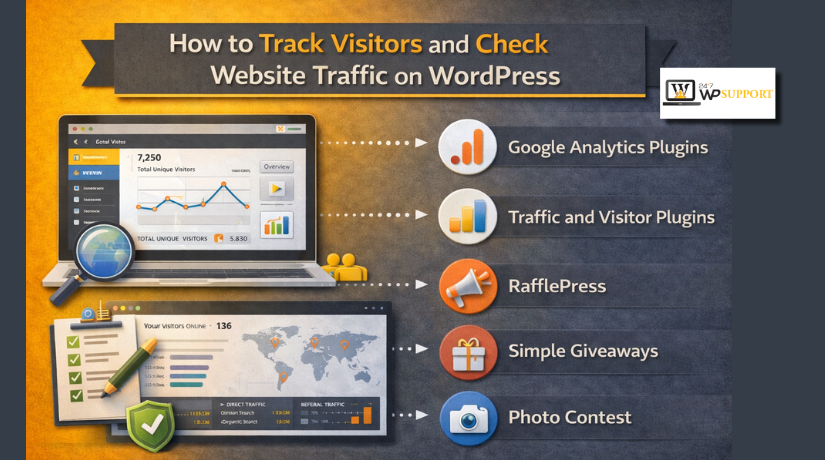
How to Track Visitors and Check Website Traffic on WordPress?
Introduction: Why Website Traffic Tracking Matters in WordPress
Knowing your traffic helps you understand how your website performs. It shows whether people are finding your pages, reading your content, and returning again. This is why many site owners want to know how to check WordPress website traffic in a simple way.
Traffic data helps you answer useful questions. Which pages bring the most visits? Which blog posts hold attention? Which source sends the best users? These details help you improve your website with real facts, not guesswork.
When you track visitors on WordPress, you can make better decisions. You can update weak pages, improve strong pages, and focus on topics users already like. This also helps business owners, bloggers, and store managers understand what is working well.
Many beginners ask how to track website traffic in WordPress without making things hard. The good news is that it becomes easy once the right system is in place. A proper setup helps you view visits, page views, traffic sources, and visitor behavior in a clear way.
Good WordPress visitor tracking also supports growth. It helps you measure results after posting content, changing designs, or running promotions. Without traffic data, you may miss chances to improve your website.
Does WordPress Show Website Traffic by Default?
WordPress is a strong content platform, but it does not give full traffic reports by default. You can log in, publish posts, and manage pages, but built-in traffic details are very limited.
This means WordPress alone will not show full WordPress traffic analytics like traffic source, user location, or visitor actions. It may show basic site activity through some tools or hosting panels, but that is not enough for serious tracking.
So, if you want detailed reports, you need a proper analytics setup. That setup connects your website with a traffic tracking tool or plugin. After that, you can start measuring real visitor data.
This also matters for users asking how to see website traffic in WordPress dashboard. The dashboard can show traffic only after the right plugin or analytics connection is active.
Best Tools and Options to Track Visitors on a WordPress Website
Choosing the right tool makes traffic tracking much easier. Some tools show full website data. Some tools show reports inside WordPress. Some tools only give simple visitor numbers. The best option depends on how much detail you need.
- Google Analytics 4
Google Analytics 4 is one of the best traffic tools. It gives detailed reports about visitors, pages, and traffic sources. You can see how users find your site and what they do after landing. This tool is best for users who want full WordPress traffic analytics and deeper reporting.
- Site Kit by Google
Site Kit helps connect Google tools with your WordPress website. It is useful for beginners who want a simple setup. After connecting it, you can view some traffic insights inside WordPress. It is a helpful option for users asking how to see website traffic in WordPress dashboard without a complex process.
- MonsterInsights
MonsterInsights is a WordPress plugin made for easier analytics viewing. It connects your site with Google Analytics and brings reports into the dashboard. This makes traffic data easier to read for non-technical users. It is a good option for people who want to track visitors on WordPress from the admin area.
- Jetpack Stats
Jetpack Stats is good for simple traffic checks. It shows basic visitor numbers, top posts, and daily traffic activity. This tool is useful for users who do not need complex reports. It works well for quick checks when learning how to check WordPress website traffic in an easy way.
- Independent Analytics
Independent Analytics is another useful tracking plugin for WordPress. It is a simple option for users who want reports inside WordPress. It focuses on visitor data without making setup too difficult. This can help users who want WordPress visitor tracking with a clean and direct dashboard view.
How to Set Up Visitor Tracking in WordPress Step by Step
Tracking visitors becomes easier when you choose the right setup first. Most WordPress users do not need many tools. They only need one main analytics platform and one simple way to connect it. That is the easiest path for anyone asking how to track website traffic in WordPress. Google Analytics 4 is the main tracking platform. Site Kit by Google is the official WordPress plugin that can connect Google services and show some data inside WordPress.
- Create or Use an Analytics Account
Start with Google Analytics 4 if you want full traffic reports. It can track users, traffic sources, page activity, device details, and other visitor data. This makes it the best option for site owners who want strong WordPress traffic analytics and long-term reporting. Google’s setup process includes creating a property, adding a web data stream, and adding the Analytics tag to your site.
- Connect the Analytics Tool to WordPress
After creating your Analytics account, connect it to WordPress. The clearest option for beginners is Site Kit by Google. It is the official Google plugin for WordPress, and it can bring Analytics and Search Console insights into your dashboard. That makes it a good choice for users who want to track visitors on WordPress without a hard setup process.
You can also use a dashboard-focused plugin like MonsterInsights. It is built to show analytics reports inside the WordPress admin area, so it works well for people who want easier dashboard reporting.
- Add the Tracking Code Properly
Some plugins add the tracking code for you. That reduces setup mistakes and saves time. Site Kit can connect Analytics during setup, while plugins such as Independent Analytics automatically output their tracking code after installation. Correct setup matters because missing or broken tracking code can stop data collection.
- Check That Tracking Is Working
After setup, test your site by opening it in another browser. Then check your live or recent reports. If visits appear, your setup is working. This is an important step in WordPress visitor tracking because it confirms your data is being recorded properly.
How to See Website Traffic in the WordPress Dashboard
Many users want quick traffic reports without leaving WordPress. This is why dashboard reporting feels easier for beginners. After connecting your analytics tool, you can start seeing useful numbers inside the admin area. This is one of the easiest ways to understand how to see website traffic in WordPress dashboard.
Most dashboard reports are simple and clear. They are made for site owners who want fast updates without opening many tabs. A good dashboard view helps you spot trends quickly and review traffic during daily work.


Inside WordPress, you can usually see these traffic details:
- Total visitors
- Page views
- Top pages
- Traffic sources
- Device type
- Country or city data
This type of summary is helpful when you want a quick check. It lets you review performance after publishing a blog, updating a page, or changing site content. It also makes WordPress visitor tracking feel less confusing for new users.
Dashboard reports are useful, but they are often limited. They usually show short summaries instead of full details. That means they are great for fast checks, but not for deep traffic study. If you want simple answers fast, this is the best starting point for how to check WordPress website traffic inside your website.
How to Check Detailed Website Traffic Reports Outside WordPress
The WordPress dashboard is helpful, but full reports are usually outside WordPress. These reports are available inside your analytics platform. They give more details and help you understand visitor behavior in a deeper way.
This matters when you want more than a quick summary. For example, a full analytics report can show where users came from, how long they stayed, which pages they visited, and which device they used. This is the practical side of WordPress traffic analytics.
If you want to know how to track website traffic in WordPress more seriously, you should check both dashboard summaries and full reports. The dashboard helps with speed. The analytics platform helps with detail.
The most useful reports outside WordPress include:
- Real-time traffic reports
- Traffic source reports
- Top-performing page reports
- Engagement reports
- New versus returning visitor reports
These reports help you measure real website growth. You can learn which blog posts bring traffic, which channels perform best, and which pages need improvement. This also helps you track visitors on WordPress with better accuracy over time.
For beginners, start with dashboard summaries first. Then move to full reports when you need deeper answers. This method keeps reporting simple while still giving you strong data. Together, both views make WordPress traffic analytics easier to manage and easier to understand.
Most Important Traffic Metrics WordPress Users Should Watch
After setup, the next step is reading the right numbers. Good traffic reports only help when you understand what they mean. This is why learning key metrics matters for better WordPress traffic analytics.
- Users and Visitors
This metric shows how many people visit your website. It helps you measure reach and overall interest. If visitor numbers rise, your content or marketing may be working well. This is one of the first things to check when learning how to check WordPress website traffic.
- Page Views
Page views show how many times pages were opened. This helps you learn which posts or pages get attention. A high page view count often means strong interest. It also supports better WordPress visitor tracking when you review content performance.
- Traffic Sources
Traffic source data shows where your visitors come from. These sources may include search engines, direct visits, social media, or referral links. This metric helps you see what brings users to your site. It is very useful when you want to track visitors on WordPress more clearly.
- Top Pages
Top pages show which content performs best on your website. This helps you understand what users like most. You can improve weak pages and update strong pages often. That is a smart way to support growth through WordPress traffic analytics.
- Bounce Rate or Engagement
This metric helps measure visitor interest after landing on pages. If users leave too fast, the page may need work. Good engagement often means your page matched user needs well.
- New vs Returning Visitors
This report shows whether users are visiting for the first time. It also shows how many visitors come back again later. Returning users often suggest trust, value, and repeat interest.
Common Problems When Tracking Website Traffic in WordPress
Sometimes traffic tracking does not work as expected. This can confuse users and create wrong reports.
Common problems include:
- Tracking does not record visits
- Dashboard reports show zero traffic
- Data appears late in reports
- Plugin connection fails
- Duplicate tracking codes cause wrong numbers
- Cache or consent settings block tracking
These issues are common, but most are fixable. First, check whether the plugin is connected correctly. Next, confirm the tracking code is added once only. Then clear cache and test visits in real time. This helps users understand how to track website traffic in WordPress without bad data.
If you want how to see website traffic in WordPress dashboard, always test the setup after installation. A working connection is required before the dashboard can show useful numbers.
Conclusion
The best results come from correct setup and regular checking. Start with simple dashboard reports, then review deeper analytics later. This approach makes it easier to track visitors on WordPress and understand what is working on your site. If you need expert help setting up traffic tracking, fixing analytics issues, or improving your WordPress reporting, you can contact 24x7wpsupport for professional WordPress support and guidance.

Brian is a WordPress support specialist and content contributor at 24×7 WP Support. He writes practical, easy-to-follow guides on WordPress troubleshooting, WooCommerce issues, plugin and theme errors, website security, migrations, performance optimization, and integrations. With a focus on solving real website problems, Brian helps business owners, bloggers, and online store managers keep their WordPress sites running smoothly.