Is WordPress GPL Licensed, and Are GPL Plugins Legal?
Introduction
Many WordPress users ask one common question today. Is WordPress GPL licensed, and what does that mean for plugins? This question becomes more confusing when users see premium plugins, GPL plugin copies, and nulled plugin websites online. Each option looks similar at first, but they are not the same. WordPress is open-source software, so users can access and use it freely. However, this does not mean every plugin download is safe, trusted, or properly managed. That is where many website owners get confused. Some users think GPL means every plugin must be free. Others believe GPL plugins are always risky or illegal. Both ideas are not fully correct. GPL is a legal open-source license. It gives users certain freedoms with software. Still, website owners must understand how those freedoms work. They should also know the difference between legal GPL software and unsafe copies. This guide explains the basics in simple words. It will help business owners, bloggers, and WordPress users make safer choices.
What Does the WordPress GPL License Mean?
The WordPress GPL license explained in simple terms means software freedom. GPL stands for General Public License. It is an open-source license that protects user rights. It allows people to use, study, change, and share software. WordPress uses this license because it supports open development. This helps developers improve WordPress for everyone.
Under GPL, users get important freedoms, such as:
- They can use the software for any website.
- They can study how the software code works.
- They can change the code for their own needs.
- They can share the software with other users.
- They can improve the software and distribute changes.
This license model helped WordPress grow into a large platform. Developers can build themes, plugins, and custom features around WordPress. Website owners can also manage their sites with more control. GPL does not only help developers. It also helps normal users avoid complete vendor lock-in. They are not limited to one company forever. They can move, modify, or improve their WordPress website when needed. Still, GPL does not remove every rule. If someone shares GPL software, they must respect GPL terms. This means the same freedoms should remain available to other users. That is why GPL is important for WordPress. It supports freedom, sharing, and long-term website control.
Is WordPress GPL Licensed?
Yes, WordPress is GPL licensed, and this is very important. The WordPress core software follows the General Public License terms. This license gives users more control over their websites. It also supports the open-source nature of the WordPress platform. When people ask is WordPress GPL licensed, the simple answer is yes. WordPress is released under the GPL, which allows freedom and flexibility.
This means users can install WordPress for many website types. They can use it for blogs, business sites, stores, and portals. Developers can also study the WordPress code and improve it. They can create custom themes, plugins, and website features. This freedom helped WordPress become a trusted global platform.
However, GPL does not mean every related service becomes free. Hosting, premium support, design work, security work, and custom development can still be paid services. A plugin company can also charge for access, updates, and support. The GPL license mostly controls software freedom, not every business service.
For website owners, this point is very useful. It means WordPress gives strong control and ownership. You are not fully locked into one platform provider. You can move your site, change code, and hire experts. This makes WordPress a flexible choice for long-term growth.
Are GPL Plugins Legal to Use?
Many users ask, are GPL plugins legal for WordPress websites? In most cases, GPL plugins are legal when they follow GPL terms. A plugin released under GPL can usually be used, changed, and shared. This is one reason WordPress has a large plugin ecosystem.
The phrase GPL WordPress plugins legal can confuse many beginners. Legal use depends on the license and the plugin source. A GPL plugin can be legal, but it must come from a safe source. Users should also avoid changed files from unknown websites. These files may create security problems on business websites.
If you ask, can I use GPL plugins legally, the answer is generally yes. But you should understand what comes with that choice. GPL may allow software use and sharing. Still, official updates and support may need a paid license. Many premium plugin companies use license keys for these services.
A license key may help with:
- Official plugin updates.
- Security patches from developers.
- Premium customer support.
- Access to documentation.
- Cloud-based plugin features.
- Compatibility fixes after WordPress updates.
This difference matters for real business websites. Legal does not always mean safe or reliable. A plugin may be legal under GPL terms. But it can still be risky if downloaded from an unsafe source. Website owners should always check trust, updates, and support. This is especially important for WooCommerce, membership, booking, and payment websites.
This content is general information only, not legal advice. For serious legal concerns, consult a qualified legal professional. For website safety, choose trusted plugin sources and regular maintenance.
Why Premium GPL Plugins Can Still Charge Money
Many users think GPL means every plugin must be free. This is a common misunderstanding about WordPress software licensing. GPL gives users software freedom, but not free business services. Developers can still charge money for GPL plugin access. They can also charge for support, updates, and documentation. This is legal when the license terms are followed properly.
A premium plugin usually includes more than downloadable code. It may include expert support, safe updates, setup help, and advanced guides. These services take time, skill, and regular maintenance. Developers also test plugins with new WordPress versions. This helps users avoid errors after major updates.


A paid license key often controls official services, such as:
- Direct updates from the plugin developer.
- Security patches for known plugin issues.
- Help from the official support team.
- Access to premium guides and tutorials.
- Compatibility fixes for WordPress updates.
- Cloud features linked with the plugin account.
This makes premium GPL plugins useful for serious websites. Business owners need stable tools, trusted updates, and quick help. A free copy may work at first, but support matters later. This is very important for WooCommerce and membership websites. Payment, booking, and customer data features need extra care. Paying the original developer also supports future plugin development. It helps keep the plugin safer and more reliable.
GPL Plugins vs Nulled Plugins: What Is the Real Difference?
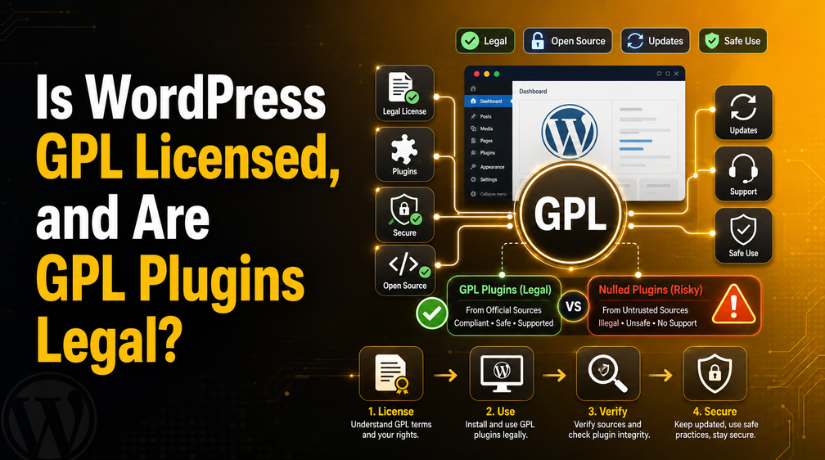
The topic of GPL plugins vs nulled plugins needs clear understanding. Many users mix both terms, but they are different. A GPL plugin follows open-source license rules and user freedoms. A nulled plugin is usually a modified premium plugin copy. It may remove license checks, update links, or developer protection. This creates serious risks for WordPress website owners.
A GPL plugin can be legal when shared under GPL terms. But a nulled plugin may include unsafe or hidden code. Unknown websites often add malware into nulled plugin files. They may also add spam links, backdoors, or redirects. These changes can harm your website and users. They can also damage search rankings and brand trust.
Nulled plugins can create many problems, such as:
- Malware inside plugin files.
- Hidden admin users on your website.
- Spam links added without permission.
- Broken updates and compatibility issues.
- Payment or customer data security risks.
- Website redirects to unsafe pages.
- No official support from the developer.
This is why legal and safe are not always equal. A plugin may look like a normal premium plugin. But its source decides whether it is trustworthy. Business websites should never depend on unknown plugin downloads. They need clean code, updates, backups, and security checks. Website owners should use official plugin websites where possible. They can also use trusted WordPress professionals for plugin reviews. This approach protects website performance, SEO, and customer trust. It also helps maintain a safer WordPress setup long term.
When Should Website Owners Be Careful With GPL Plugins?
Website owners should be careful before installing any GPL plugin. A plugin can be legal but still unsafe for use. Many users ask, can I use GPL plugins legally on my website? The answer is generally yes, but source matters most. A trusted source protects your website from hidden risks.
Before using any GPL plugin, check these points carefully:
- Download plugins from trusted websites only.
- Check the developer name and plugin history.
- Review the latest update date before installation.
- Avoid files shared through unknown download websites.
- Scan plugin files before uploading them.
- Test plugins on a staging website first.
- Keep regular backups before making changes.
This process helps protect your website, data, and visitors. It also supports better SEO, speed, and long-term trust.
Best Practical Advice for WordPress Business Websites
GPL plugins can be useful for many WordPress websites. They give users freedom and control over plugin usage. However, business websites need more than legal access. They need clean files, regular updates, and trusted support.
Use official plugin sources whenever possible. Choose the original developer for premium plugin support. This helps you get security patches and compatibility fixes faster. It also reduces website downtime after WordPress updates.
If you manage a business website, avoid risky shortcuts. A cheap plugin file can create expensive problems later. For safer decisions, get expert WordPress support before installing unknown plugins. The team at 24×7 WP Support can review plugin safety, update risks, and website security concerns.
Conclusion
WordPress GPL licensing gives users important software freedom. It allows website owners to use, modify, and share code. GPL plugins can also be legal when they follow license terms. However, legal use does not always mean safe use. Nulled plugins and unknown files can harm websites badly. Website owners should always choose trusted plugin sources. This helps protect security, SEO, performance, and customer trust. Need expert help checking your WordPress plugins? Contact 24×7 WP Support for safe plugin review, website security checks, updates, and ongoing WordPress support.
Related posts:
How to Limit WordPress Registration to Specific Email Domains in 2026
Ghost vs WordPress: Which Platform Is Better for Your Website?
What Is the Difference Between WPForms and Gravity Forms?
Do You Have to Pay for WordPress with HostGator? Costs Explained
What Is AJAX in WordPress and How admin-ajax.php Works (2026)

Brian is a WordPress support specialist and content contributor at 24×7 WP Support. He writes practical, easy-to-follow guides on WordPress troubleshooting, WooCommerce issues, plugin and theme errors, website security, migrations, performance optimization, and integrations. With a focus on solving real website problems, Brian helps business owners, bloggers, and online store managers keep their WordPress sites running smoothly.